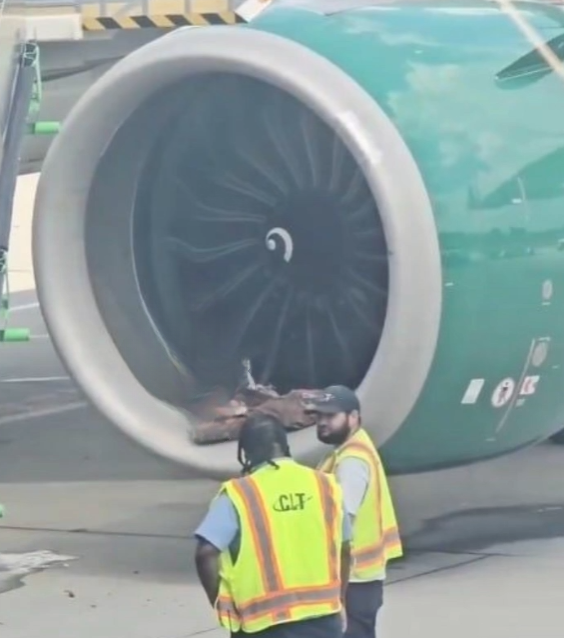
Frontier Airlines Airbus A320neo experienced a ground incident at Charlotte Douglas International Airport when an air-conditioning hose was accidentally sucked into its left engine during pre-departure preparations. The hose had been placed too close to the engine after it was started, causing damage and requiring an immediate shutdown and inspection. No injuries were reported, but the incident delayed Flight F93134 to New York-LaGuardia by nearly nine hours. Frontier Airlines provided a replacement aircraft, and passengers departed safely. The event highlighted the importance of strict ramp safety procedures and demonstrated how established aviation safety protocols can prevent more serious consequences.