Muscle cramps are sudden spasms of the muscles that cause pain. And while they are not usually harmful, they cause an uncomfortable feeling due to the severe contraction of the muscles.
The cramps can last from a few seconds to ten minutes and can affect the calf muscle and the muscles on the feet or the tights (the latter doesn’t happen as often.)
The reasons why cramps happen can be various.
The most common, however, are as follows:
1. Dehydration
Sometimes, leg cramps that happen during the night are caused by the lack of hydration as this condition leads to an electrolyte imbalance.


2. Mineral Deficiencies
Muscle cramps can also happen due to the shortage of certain minerals within the body, such as magnesium, potassium, and calcium.
3. Overexertion
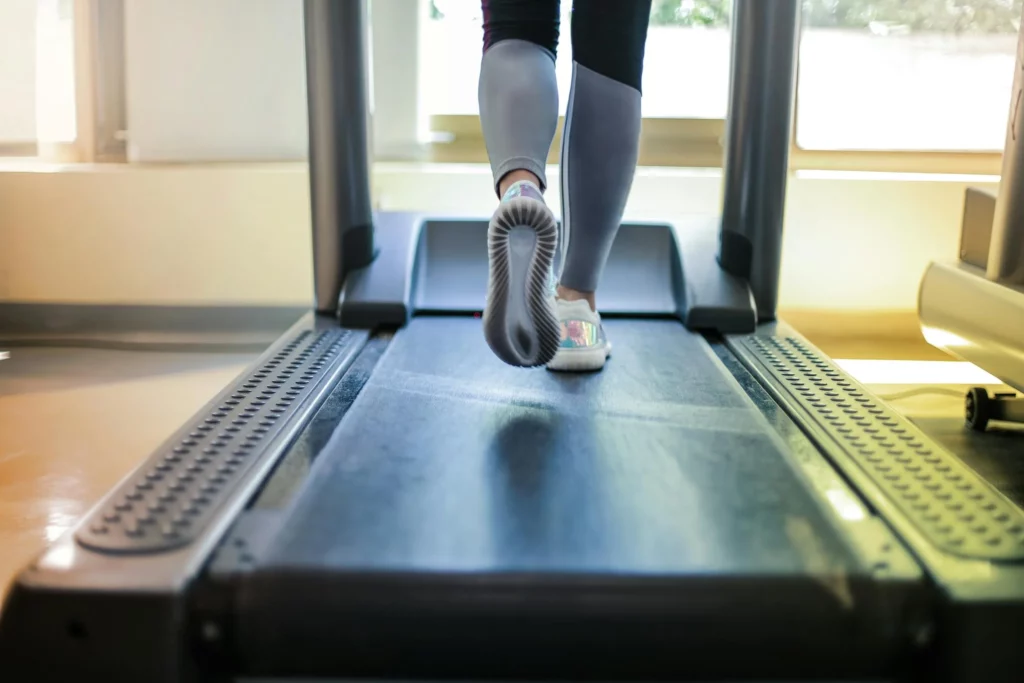
Although exercises is good for the body, overexertion can sometimes overwork the muscles, leading to cramps.
4. Sedentary lifestyle
In order to function properly, muscles need to be stretched from time to time, which is something we often forget about when our job requires too much sitting throughout the day.
5. Improper sitting position
It’s easy for muscles to get strained in case of poor posture and prolonged sitting or standing.

6. Nerve Compression
Nerves in the legs may get compressed or pinched by conditions such as sciatica or herniated discs, which can result in cramps.
7. Pregnancy
The changes in hormone levels and the increased pressure on blood vessels can lead to muscle cramps at pregnant women.

8. Medications
The side effects of certain medications such as diuretics, statins, or antipsychotics can lead to muscle cramps.
9. Alcohol Consumption
The consumption of alcohol affects the body by causing muscle dehydration and mineral imbalances.

10. Certain Medical Conditions
Certain medical conditions such as diabetes, kidney disease, thyroid disorders, and peripheral artery disease can also lead to muscle cramps.
Some of the standard treatments than can help prevent and relieve the immediate discomfort as per Healthline are: massaging the legs, stretching, walking on your heels, applying heat (such as hot towel, hot bottles, or heating pad on the affected area), drink pickle juice, and take nonsteroidal anti-inflammatory (NSAID) drugs such as ibuprofen and naproxen.