In Australia, scientists have done something extraordinary — they’ve learned how to grow real, fluffy eggs without a single chicken. Inside a quiet food lab in Melbourne, researchers are cultivating what they call “Cloud-Eggs,” made from fermented eucalyptus leaves. These plant-based eggs form soft whites and golden yolks that sizzle and scramble just like the real thing — but no feathers, farms, or cages are needed.
The secret lies in microbial fermentation. Scientists extract natural sugars from eucalyptus leaves and feed them to carefully engineered microflora. These microbes produce proteins identical to those found in eggs — including albumin and lipovitellin — the molecules responsible for that familiar texture and taste. The result? A delicate, cloud-like egg that cooks, bakes, and binds exactly as nature intended, yet comes entirely from trees and science.
Australia’s egg industry, long challenged by animal welfare debates and climate pressures, is watching closely. If scaled successfully, Cloud-Eggs could cut the demand for battery hens entirely, reducing methane emissions and water use while freeing millions of animals from factory cages. For consumers, the experience is seamless — same breakfast ritual, same sunny yolk — only cleaner, kinder, and sustainable.
What began as a small biolab experiment has now become a national conversation about the future of food and ethics. From eucalyptus groves to breakfast plates, Australia’s Cloud-Eggs represent more than innovation — they’re proof that taste, compassion, and technology can finally share the same table

Related Posts
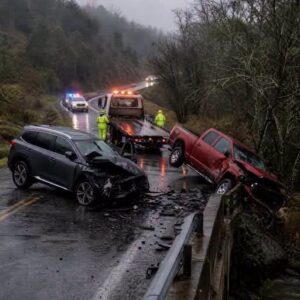
The BR-251 Tragedy: A Nation Mourns as 9 Lives are Lost in Devastating Collision
A tragic crash on Brazil’s BR-251 near Grão Mogol claimed nine lives, including a beloved singer. A van carrying workers collided with a truck, sending both vehicles…
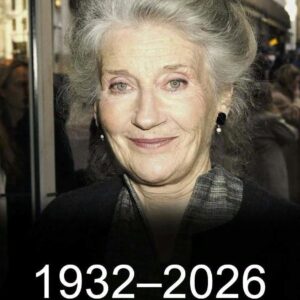
Lasting Legacy
The world mourns actress and author Phyllida Law, who passed away peacefully at 94, surrounded by her family. Celebrated for her work in film, theatre, and British…

Silent Shield Of A Door
Closing your bedroom door before sleeping can slow the spread of heat and toxic smoke into the room during a fire. Modern synthetic furnishings can burn rapidly,…
ROYAL TRAGEDY King Charles is in sh0ck. With heavy hearts, we announce the passing…
In August 1997, Princess Diana died in a car crash in Paris alongside Dodi Fayed. The accident, which also killed driver Henri Paul, sparked widespread speculation. Investigations…

Pima County Faces Renewed Scrutiny Over Law Enforcement Oversight After Former Deputy Case
Pima County, Arizona, faces renewed discussion about law enforcement accountability following allegations involving former sheriff’s deputy Travis Reynolds. The case highlights the importance of transparent investigations, professional…

My Son Left Me With Nothing After His Father Died — But He Didn’t Know What I Had Planned
I walked into my attorney’s office as a grieving widow and walked out as the legal owner of my future. The forged paperwork, the secret talks with…