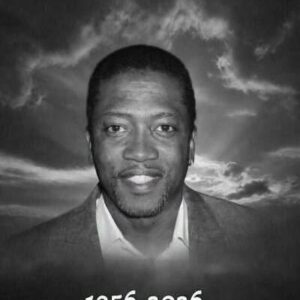
John Malloy grew up constantly on the move. His father worked in Army Intelligence, and by the age of seventeen Malloy had lived in multiple countries and moved forty-four times. This unstable childhood forced him to rely on himself, often learning to fight for survival in schools across major U.S. cities. His early life included time in juvenile hall and jail, where he experienced firsthand how vulnerable people are treated within institutions. During incarceration, Malloy made a life-changing decision: he would dedicate his life to helping those society had abandoned.
This resolve led him to cofound the Foundry School, a transitional school for young people leaving juvenile detention. Malloy developed unconventional but powerful methods to guide youth away from violence and despair. His reputation for integrity brought Native American families to him, entrusting their children to his care. Through these relationships, Malloy embraced Native American spirituality, which deeply shaped his worldview and work.
Central to his philosophy is the Indigenous belief that all life is sacred and interconnected. He used this “earth ethic” to help troubled youth rediscover purpose, discipline, and belonging—often through group running, ceremony, storytelling, and language. By integrating spirituality, service, and accountability, Malloy helped countless young people transform their lives, becoming teachers, parents, and leaders themselves.